
The Harbor Restaurant vs. The City of Santa Barbara
In 2002, The Harbor Restaurant and the City of Santa Barbara entered a lease for the iconic restaurant on Stearn’s Wharf that was first operated as the Santa Barbara Yacht Club in 1926 and launched in its current iteration in 1941. Many locals remember celebrating life’s milestones above the water in this historic venue. At the time, sales were brisk, and competition was scarce. Buoyed by optimism, the City and The Harbor signed a 27-year lease with five 5-year options to extend and they set a percentage rent of 10% of gross receipts with a minimum base rent at less than 10% of the restaurant’s sales, namely $36,000/month.
To ensure rent kept up with anticipated increases in sales, the parties agreed that this minimum base rent would increase with inflation, up to 5% per year, but unlike many commercial leases that adjust every five years, they agreed to increase annually, and they did not correlate the minimum base rent to sales. They also did not provide an offset of mandatory lease expenses like property taxes, insurance, and maintenance, against gross receipts before calculating percentage rent due.
Fast forward nearly 24 years and the newest owners of The Harbor Restaurant claim these two oversights – not tying increases to gross receipts and not providing offsets for mandatory expenses – have created a commercially impracticable/impossible situation that frustrates the purpose of the lease. After three years of unproductive negotiations trying to get the City to see the errors in the lease drafting, these new owners are now suing the City of Santa Barbara over the lease they claim that has become financially oppressive in light of sales that have declined due to a changing business climate. They assert this has led to minimum base rent of $61,430/month plus $6,000/month in deferred rents from six of the eleven months the restaurant was closed for renovations, together costing over 20% of gross receipts.
The lawsuit can be found here:
I spoke with John Thyne, the attorney who is also a co-owner of the restaurant, and he says that while he and his partners did not want to file litigation because it makes them look adverse to the City, which he says they are not, they were forced to seek court intervention to remedy unintended consequences in the original drafting of the lease.
The initial reaction of many is “well, they knew what they were getting into when they purchased this business” and, while that may be true, Thyne explained that an assignee takes a lease subject to all defenses and his group could have filed suit as soon as they became owners. He says that he and his wife became co-owners of this historic business because the alternative was for his client, whom he had represented in negotiations with the City for nearly a year, would have had to declare bankruptcy and they did not want this iconic restaurant to be tied up in court and vacant for years.
Given the City’s recent history of failed quasi-private endeavors like Paseo Nuevo, Bellosguardo, Flightline at the airport, and State Street, it seem the lawsuit is the tip of an iceberg that is propped up by a large mass of bureaucracy and myopia. With any luck, this case may also be the tip of a spear that leads to a new way of local government collaborating with business owners instead of trying to squeeze the last drop out of them before they give up and make way for the next optimistic proprietor.
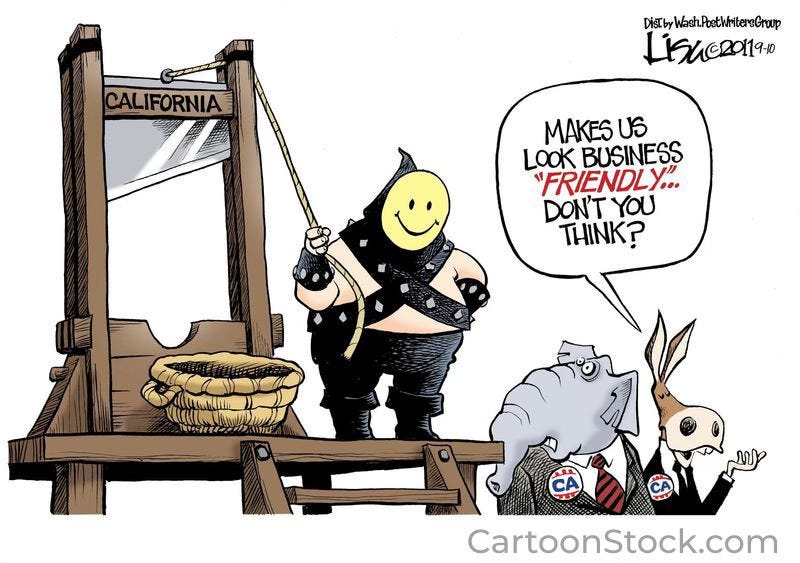
A Real Climate Change – By the City –Is Needed
According to the current owners, the combination of ever increasing rent and declining sales has resulted in rent that has risen to an unsustainable level. The second issue is that there is no offset against rent for mandatory property expenses including County lease taxes that have risen to approximately $100,000 per year, and insurance premiums that continue to rise like Elon’s rockets booming in the night.
The case is made that at the time the City and the prior owners of The Harbor Restaurant entered the lease, the restaurant landscape in Santa Barbara was very different when the Funk Zone was a collection of warehouses and industrial spaces rather than trendy eateries as far as the eye can see. Other impacts including unpermitted City improvements on the wharf interfering with a current permit application for a coffee shop, and cancellation of a popular parking validation program, are offered as contributors to the decline in sales over the past 20+ years. Admittedly, say the owners, there were times in recent history when the restaurant was perceived, perhaps rightfully, as a tourist trap with terrible food, but they explain that the massive improvements they made to the building (in excess of $1,500,000) augmenting the ambiance and view, and their new team (largely comprised of former Stella Mare staff) has returned this restaurant to a local haven offering breakfast, lunch, happy hour, and dinner daily, as well as lobster specials and live music during the week.
The City, for its part, through City Administrator Kelly McAdoo, has publicly professed that the claims “have no merit” and they intend to vigorously defend this action. She asserts that the City has an obligation to get the most money it can from this public asset. Thyne agrees but says the best way to achieve the highest return is to collaborate with businesses who lease City properties rather than holding firmly to financially obsolete contracts. Thyne claims the irony is that by taking its foot off the gas with the rents now, the City will ultimately reap much higher returns over time. “The good news,” he says, “is that Santa Barbara locals have rediscovered this venue that was once a jewel of the City and they’ve embraced the new look, the revamped food, and fresh activities.” By way of example, he notes that The Harbor Restaurant welcomed 620 guests for Thanksgiving in 2025 whereas they saw only 150 reservations last year.
Perhaps, if this litigation does result in a favorable judgment for the operator, or a settlement that serves both parties, and the prediction bears true that the City thereby benefits, it may create a model for other collaboration where the City takes a longer view toward helping businesses succeed to generate more income from which they are paid. Let’s hope this legal action leads to a better climate for all who live, work, and do business in Santa Barbara!
Community Calendar:
Got a Santa Barbara event for our community calendar? Fenkner@sbcurrent.com


