

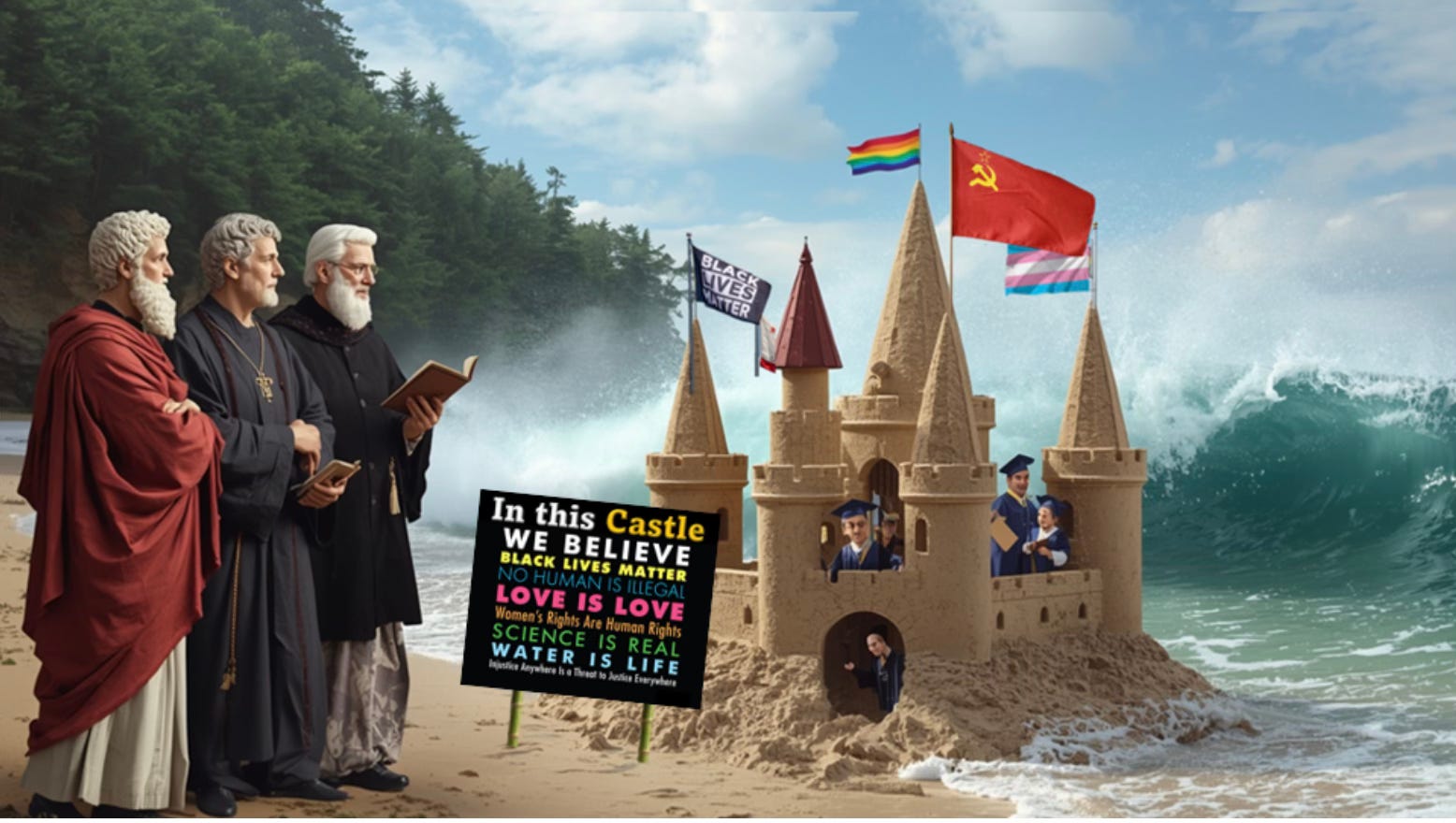
If you’re like most people, you’ve probably noticed by now that our public schools are a complete disaster.
In 1983, the American education establishment was rocked by A Nation at Risk. The study confirmed the observable degeneration of our schools, captured by Chairman David P. Gardner‘s chilling statement: “If an unfriendly foreign power had attempted to impose on America the mediocre educational performance that exists today, we might well have viewed it as an act of war.”
After 35 years teaching across all grade levels in five states and several countries—including here in Santa Barbara—I can diagnose modern education’s terminal illness in three words: The Great Abdication.
Try this simple experiment: Ask a local school board member or a Santa Barbara area teacher two questions: “What is a human person?” and “What is the purpose of education?”
Marvel at the vacuity of the answers. They’ll speak of “21st century skills,” “equity and inclusion,” “critical thinking,” “social-emotional learning,” or my personal favorite: “preparing students for jobs that don’t exist yet.” But they cannot tell you what a student is or what education is ultimately for.”
This isn’t a failure of particular individuals. It’s the inevitable result of modern education’s philosophical foundation—or rather, its lack of one.
The Four Causes: Two Missing
For 2,500 years, Western civilization recognized that to understand anything fully, one must answer four questions:
Material Cause: What’s it made of? (For education: students’ bodies and minds, books, curricula)
Efficient Cause: How’s it made? (Methods, pedagogy, discipline)
Formal Cause: What is it? (What is the nature of the thing being formed?)
Final Cause: What’s it for? (What is its ultimate natural and supernatural purpose?)
Modern education has eliminated the last two. We deny there is a fixed human nature to form. We refuse to name a transcendent purpose. Without these two vital considerations, education is reduced to training behaviors and transferring information. We can make students do things and know things, but we cannot form them into what they truly are or toward what they’re meant to become.
Without formal cause, we cannot answer what a student is. We treat children as blank slates, biological machines, or self-creating beings—anything but rational souls with a fixed nature, free will, and inherent dignity.
Without final cause, we cannot answer what education is for. We default to measurable outcomes—test scores, college admissions, career readiness—because true purpose itself has been abdicated.
Here in Santa Barbara, where the Unified School District faces a $20 million budget deficit, struggles with teacher turnover, and sees only half its elementary students reading at grade level, these aren’t just abstract questions. When the district adopted its $1.7 million literacy curriculum in 2023, board members emphasized making it “culturally responsive” and boosting student “self-esteem”—but never once defined what a literate person is or what reading is ultimately for. This is why our school board members cannot answer those two simple questions. They’ve been trained through decades of educational philosophy—rooted in John Dewey‘s pragmatism and progressive ideology: to reject nature and purpose as meaningless concepts.
The practical difference is stark:
Without these two causes, a teacher asks: “How do I make students feel engaged?”
With them, we ask: “What truth must I help this rational soul apprehend today?”
Without them, success is a student expressing feelings.
With them, success is a student conforming his mind to reality.
Without them, schools become therapy centers, indoctrination camps, and workforce development programs—anything but institutions of genuine formation in virtue and wisdom.
This abdication didn’t happen overnight. It began centuries ago when Western philosophy rejected the classical understanding of nature and purpose. By the early 20th century, educational theorists like John Dewey had fully embraced this rejection. Today, it’s so pervasive that most teachers and administrators don’t even realize what’s been lost.
This is incoherent.
We cannot educate what we refuse to define toward an end we refuse to name. Education without formal and final causes isn’t education—it’s training and indoctrination, which is precisely what we have now, whether the school is public or private.
The Solution Exists
It’s 2,500 years old. The classical tradition—from Socrates through the medieval universities—understood that human beings have a nature (rational animals endowed with the capacity to acquire wisdom and virtue) and a purpose (perfection of that nature through truth and goodness).
Our Founding Fathers were educated in this tradition. What’s required is simple: Tell the truth about what human beings are, what they’re for, and form them accordingly.
So, I challenge you:
Ask those two questions at the next Santa Barbara Unified school board meeting. Ask during public comment. Ask when you see board members or schoolteachers in the community.
“What is a human person?”
“What is the purpose of education?”
Their inability to answer—or worse, their jargon-filled evasions—will prove everything I’ve written here.
The good news?
Once we see the problem, the solution becomes obvious. We simply need the courage to choose it.
•••
After 35 years in the classroom, Steven Jonathan can diagnose what’s killing American education—and prescribe the 2,500-year-old cure. A UCSB graduate, he founded City of Truth Educational Consulting and serves as Senior Fellow at American Principles Project and consultant for the Diocese of Charleston. His work recovers the Catholic Intellectual Tradition that built Western civilization. For free weekly formation: St. Isidore’s Virtual Cathedral

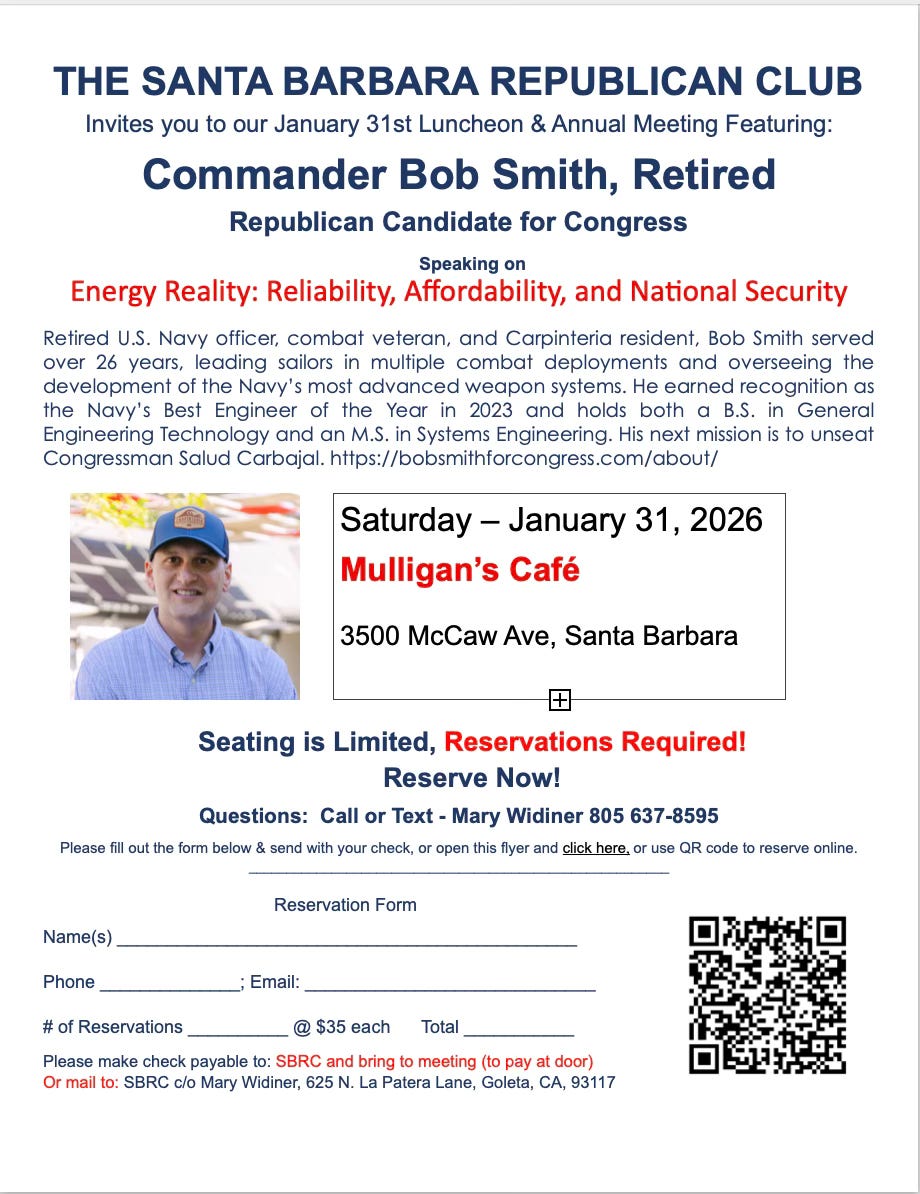
Click here to support Bob Smith!
Community Calendar:
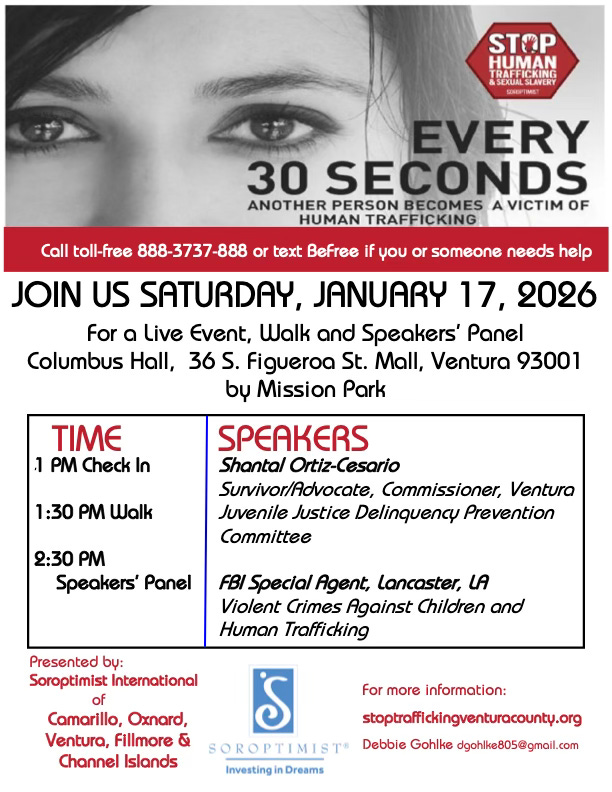
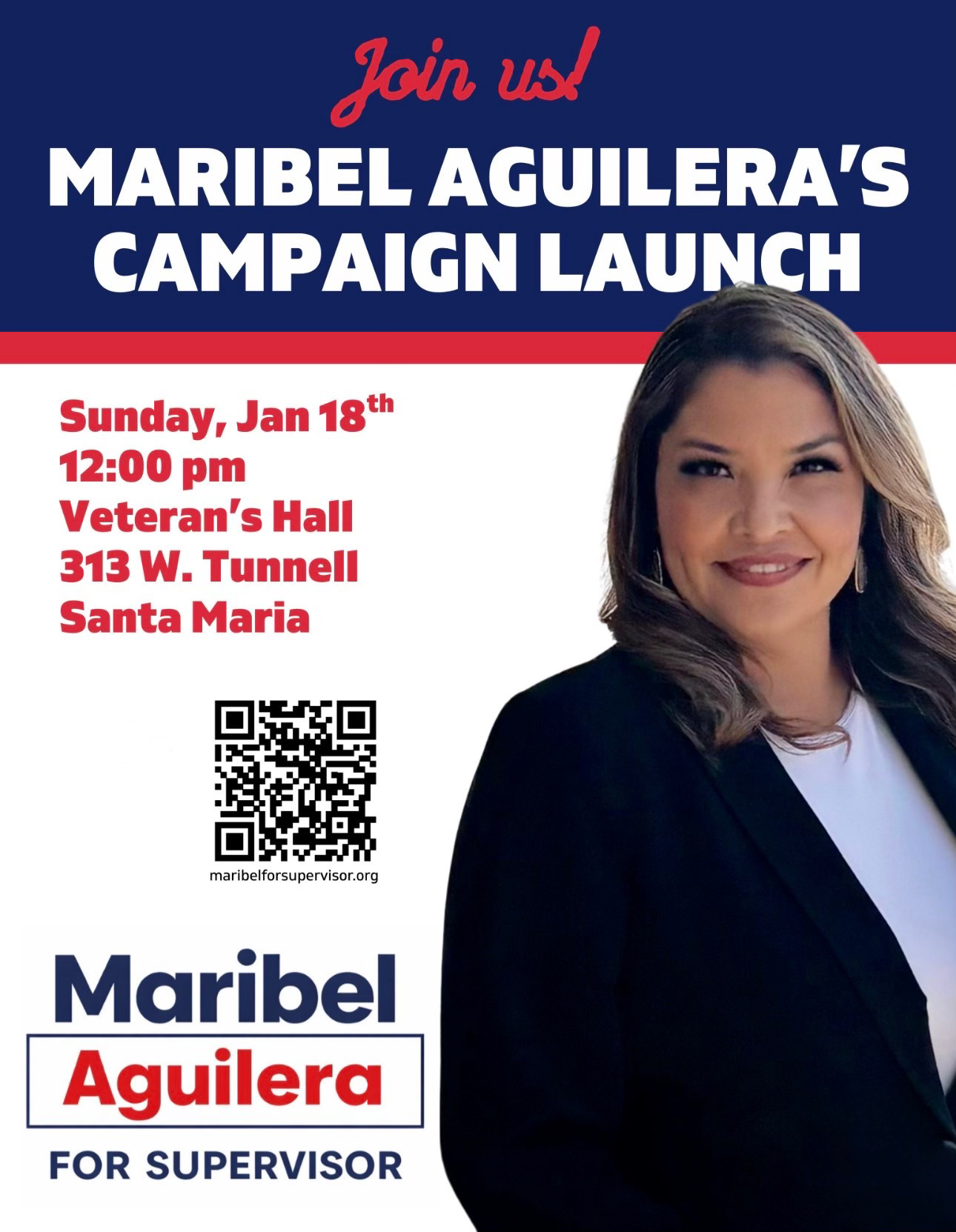

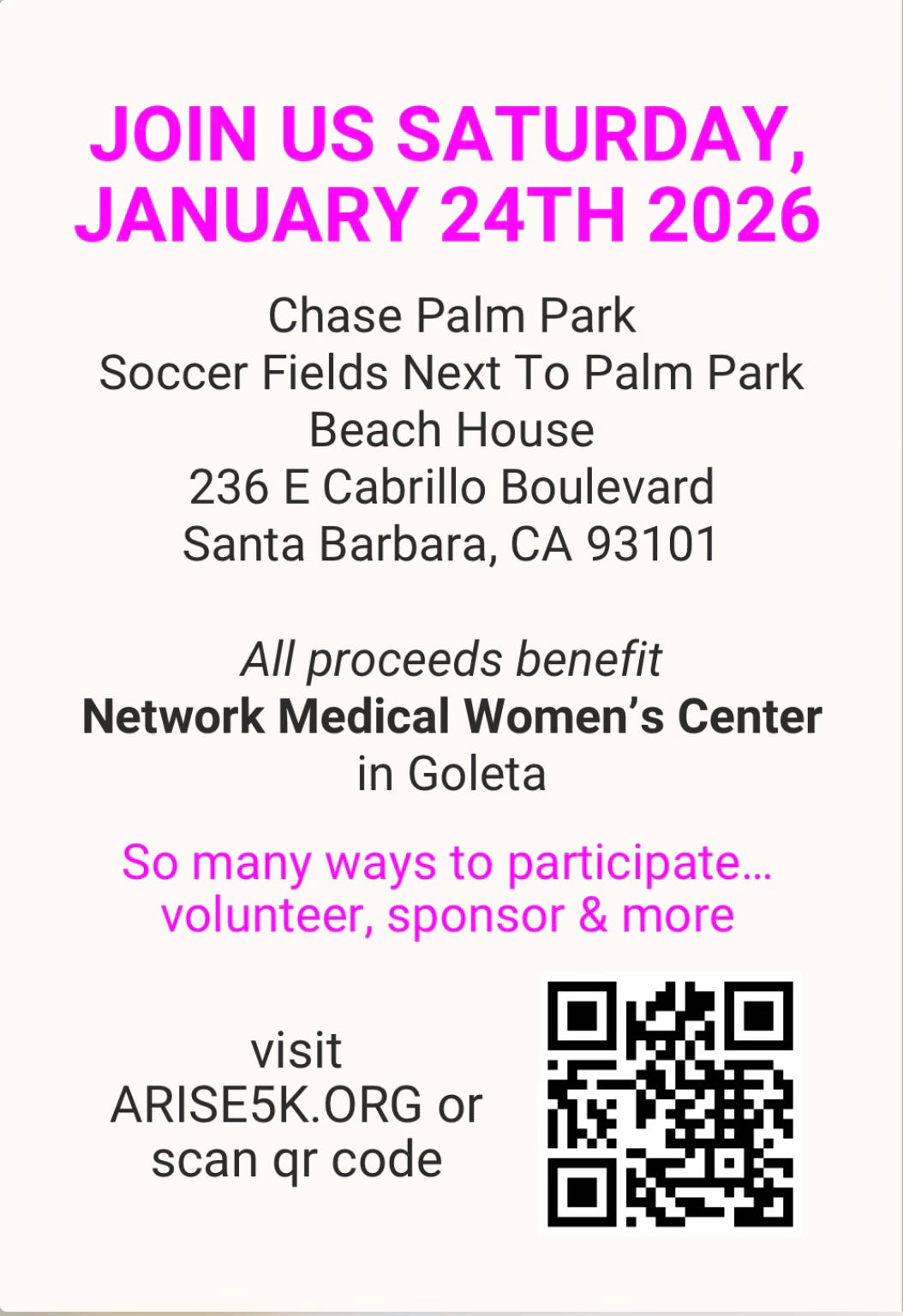

Got a Santa Barbara event for our community calendar? Fenkner@sbcurrent.com
Excellent, excellent Article! Your synopsis of "The Four Clauses-Two Missing" is spot on! It would do every educator and parent well to remember them: Material Cause, Efficient Cause, Formal Cause, & Final Cause
If we look at "The 45 Communist Goals for America" by W. Cleon Skousen, written in 1961, we can see and verify these targeted goals for our YOUTH in Education are playing out NOW all across the country as you so well observed.
GOALS
17-Get control of the schools. Use them as transmission belts for socialism and current Communist propaganda. Soften the curriculum. Get control of teachers’ associations. Put the party line in textbooks.
18-Gain control of all student newspapers.
19-Use student riots to foment public protests against programs or organizations which are under Communist attack.
26-Present homosexuality, degeneracy and promiscuity as “normal, natural, healthy.”
29-Discredit the American Constitution by calling it inadequate, old-fashioned, out of step with modern needs, a hindrance to cooperation between nations on a world-wide basis.
30-Discredit the American founding fathers. Present them as selfish aristocrats who had no concern for the “common man.”
40-Discredit the family as an institution. Encourage promiscuity and easy divorce.
41-Emphasize the need to raise children away from the negative influence of parents. Attribute prejudices, mental blocks and retarding of children to suppressive influence of parents.
Notice these targeted "goals" for OUR CHILDREN have been very successfully--Turning the Titanic around is not for the faint of heart!
P Wilson
It doesn't come as a huge surprise that most of the comments so far are about rearranging the deck chairs on the Titanic—we have been conditioned to miss the ship for the deck chairs. If we engage with the topics covered in the article, we would be having a very different conversation. Modern public education was recognized by the sober as an “act of war” on the American people in 1983—here we are over 40 years later, and this war has turned into totalizing brainwashing. How do we miss this? More money? The real solutions are free. Keep your kids out of the public schools, and you have saved them from decades of deprogramming. Recover formal and final causality; learn what you are and what you are meant to become. It may cost time, but the wisdom is free. The virtue will cost much blood, sweat, and tears, but the ROI is exponential. Let's have a real conversation about real things, not plastic deck chairs.