
The Santa Barbara Conundrum
Mother Nature was drilling offshore long before anyone incorporated an oil company. We scrape tar off our kids’ feet after a day at the beach.
The Santa Barbara Channel is one of the largest natural offshore oil seeps on Earth, releasing an estimated 240 barrels of oil a day, roughly 88,000 barrels a year, all on its own. Peer-reviewed research has even found that producing oil from nearby reservoirs can reduce natural seepage by relieving underground pressure.
Apparently, Mother Nature never got the memo that offshore oil was supposed to stop, and she doesn’t check whose backyard she’s in, either.
Producing oil somewhere else doesn’t eliminate our need for it, and it doesn’t shrink its footprint. It just moves both to a country with weaker oversight and less accountability; and hands the atmosphere the bill regardless. Pollution doesn’t become friendly the moment it crosses an ocean. It’s the energy equivalent of shipping your problem child to a foreign boarding school and calling it solved because you don’t have to parent anymore.
Know someone who insists they’re anti-petroleum? Invite them to ditch the iPhone, the laptop, the eyeglasses, the sneakers, the medications, the car, the plane ticket, the asphalt road under their feet. Invite them to live entirely off grid.
Tell them to put their money where their mouth is.
If that sounds unreasonable, maybe the issue was never petroleum. Maybe it’s the contradiction of condemning the product that makes modern life possible while enjoying its benefits every single day and calling it saved, so long as it happened somewhere else.
Out of sight.
Out of mind.
Same planet.
A Lesson In Irony
Near the entrance to a local grocery store, a group of young people stood behind a folding table collecting signatures to stop the Sable Offshore Energy Project.
“Protect our coastline.”
“Stop offshore oil.”
“Oil is destroying the environment.”
Curious, I asked what they meant. The conversation quickly turned to drilling, gasoline, carbon footprints, and climate change. As one person explained why oil production needed to end, another was posting photos to social media from an iPhone. Then came the clipboard and pen. Around us sat plastic shopping carts, EVs and gasoline-powered cars on rubber tires, all parked on a sea of asphalt.
The irony was hard to miss.
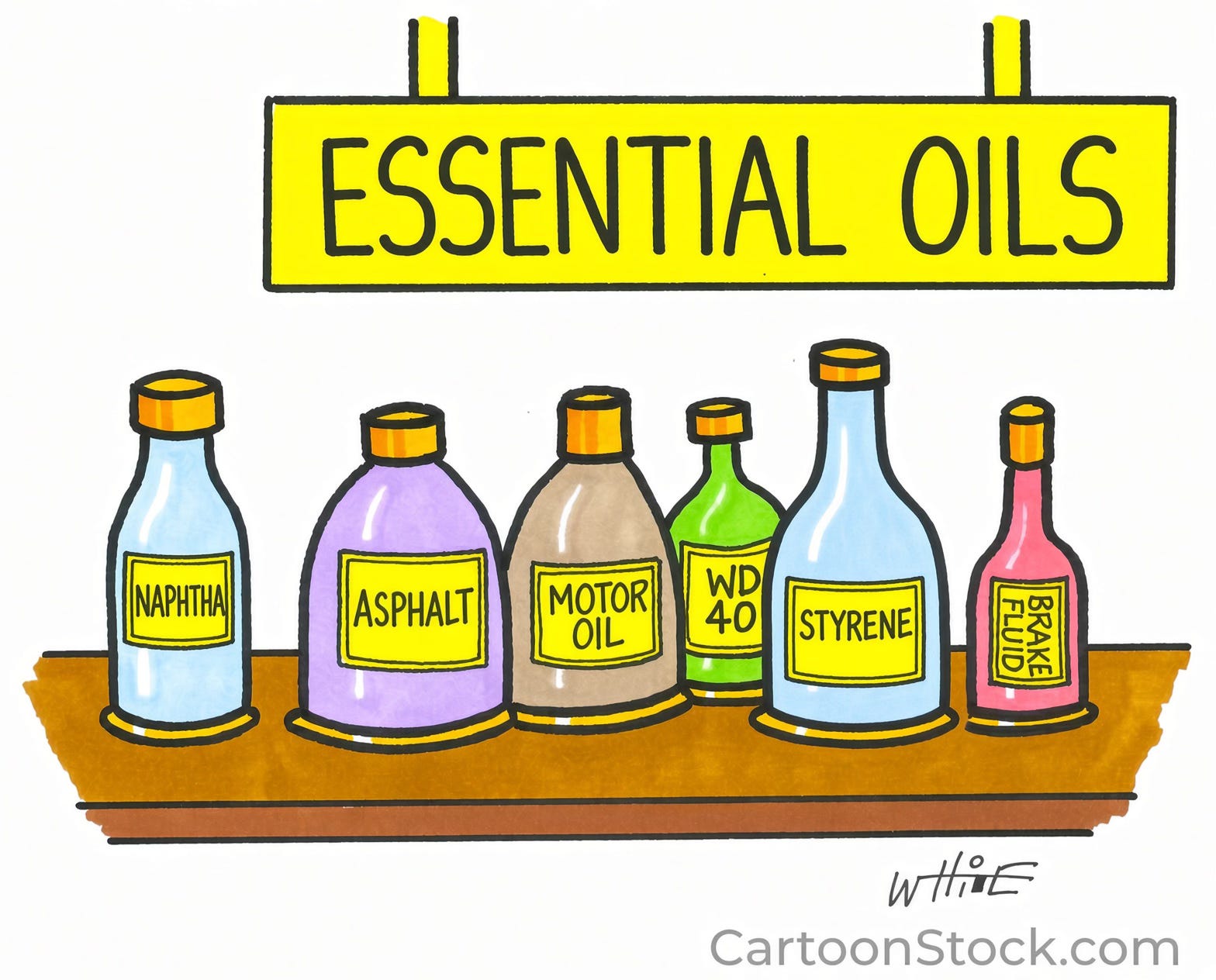
Oil is not merely the gasoline in your tank. It’s the iPhone organizing the protest. The laptop writing the petition. The clipboard, the pen, the synthetic shirt, the sneakers, the eyeglasses, the bike helmet, the tires, the “reusable” shopping bags, the credit cards, the food packaging, the prescription medications, the asphalt underfoot.
Petroleum has become the only product in modern society we’re expected to keep using while pretending it doesn’t need to be produced.
We condemn the drilling. We celebrate the products.
We oppose the refinery. We embrace everything it makes.
We object to producing petroleum here while consuming it everywhere.
Which brings us to the ultimate expression of modern environmentalism:
Not In My Backyard. But feel free to drill in yours.
I finally asked one of the organizers, “If petroleum is so terrible, why are you enjoying so much of it?”
Blank Stares.
I suggested that if petroleum truly had no place in modern society, maybe start by giving up the products used to protest it.
More blank stares.
Petroleum Makes the World Go ‘Round
Apparently, the problem isn’t using petroleum. The problem is admitting petroleum makes the modern world possible. Or worse, producing it where they might have to see it. Better to import it and pretend it doesn’t exist.
That’s the NIMBY philosophy in full bloom: Drill somewhere else. Refine it somewhere else. Mine it somewhere else. Take the jobs, the pollution, the economic boost, the national security benefit, and ship them somewhere else.
Then import the oil, import the finished products, import the emissions, and congratulate yourselves because California looks clean while someone else does the dirty work.
Here’s the part the protest signs never mention: the atmosphere doesn’t check passports. A ton of carbon released in China warms the planet exactly as much as a ton released in Santa Barbara. Oil pumped in a country with a fraction of our environmental oversight doesn’t just move the drilling; it moves it to a jurisdiction more likely to spill it, flare it, and dump it.
Congratulating ourselves for “protecting our coastline” while outsourcing the extraction to a coastline with no such protections isn’t environmentalism.
It’s outsourcing the guilt along with the crude.
Climate change is not a local ordinance. It’s not something you solve by relocating the smokestack out of your sightline. It is, by definition, a global problem; which means the oil we refuse to produce here doesn’t vanish. It just gets produced by someone else, shipped across an ocean burning bunker fuel the whole way, and sold back to us with a clean conscience attached.
Economics Didn’t Get the Memo
For years America made domestic energy prohibitive and expensive, then expressed genuine confusion about why manufacturing moved overseas. Steel mills, chemical plants, semiconductor fabs, fertilizer plants; they all run on energy, and it turns out energy-hungry businesses pay attention to energy policy.
Who knew?
The factories left. The jobs left. And the same towns that lost them kept buying products stamped “Made in China,” wondering what happened to the plant down the road.
Apparently replacing manufacturing with paper pushing and government regulations was considered an economic development strategy. Meanwhile our industrial capacity shrank while our competitors picked up the factories, the jobs, and the supply chains we handed them.
National Security Suddenly Matters
It took a crisis to remember that national security is more than aircraft carriers. Gas lines in the ‘70s. Empty shelves and scarce N95s during COVID. Diesel shortages that reminded us fuel isn’t guaranteed. Suddenly domestic manufacturing was fashionable again.
Funny how national security matters the moment the trucks stop moving.
Community Calendar:
Got a Santa Barbara event for our community calendar? Fenkner@sbcurrent.com


