


About half of SBUSD students are not meeting grade-level standards in reading. In math, the ratio is closer to six in ten. That is not a talking point. That’s thousands of kids already playing catch-up through no fault of their own.
How does a generous and educated city let that become normal?
Ask district leaders and you hear two familiar answers. Some see the glass half full: scores have climbed back near pre-pandemic levels, a win. Others see it half empty: half the kids are still behind, full stop.
The first treats recovery as arrival. The second spends its energy on blame. Neither teaches a single child to read.
I see the glass differently. It is half full because the other half is still reachable. The half-filled glass is bursting with families we have not walked with yet, and the teachers we have left to invent solutions alone. The problem is solvable. That is the part that should make us lean in, not lecture.
When I can steal an hour, my favorite run starts on East Cañon Perdido, drops to State Street, and finishes along the Wharf and the Breakwater. Two kids under two keep that run rare. When it happens, it feels like a gift. There is no other place like this.
On those mornings I watch the outrigger crews off West Beach. What stays with me is not their speed. It is the stroke. Six paddlers locked to the same count, the same catch, the same pull. The boat does not fly because someone is working harder than the rest. It flies because they are working together. Six people in rhythm beat six people paddling their own race by more than six times.
That is what I want for SBUSD.
The hull is sound. The district sits on a growing local tax base most California systems would envy. A strong boat matters. None of it matters if the boat is taking on water. You cannot reach the 50 percent who need us most while closing schools or cutting the services those same students use.
Fiscal discipline is not a separate conversation from reading scores.
Fiscal discipline is the condition that makes reading scores possible.
The rowers are strong, too. Teachers doing the work that never shows up in a press release. Support staff holding the system together. Curriculum that either builds kids or leaves them behind. Budget lines that either reach a classroom or vanish in process. And parents, who know their own children better than any trustee ever will.
A sound boat with rowers pulling in different directions still goes nowhere. Too often that is the district: real effort, real people, no shared count. Each seat has a real problem. None of those problems are impossible. What has been missing is not sweat. It is unison.
That is the trustee I intend to be. Not the person who celebrates half-full too early. Not the person who points at the empty half and calls it leadership. The person who gets every seat pulling the same stroke so the other half of our students get what they need.
It would be an honor to take that seat for Trustee Area 1.
•••
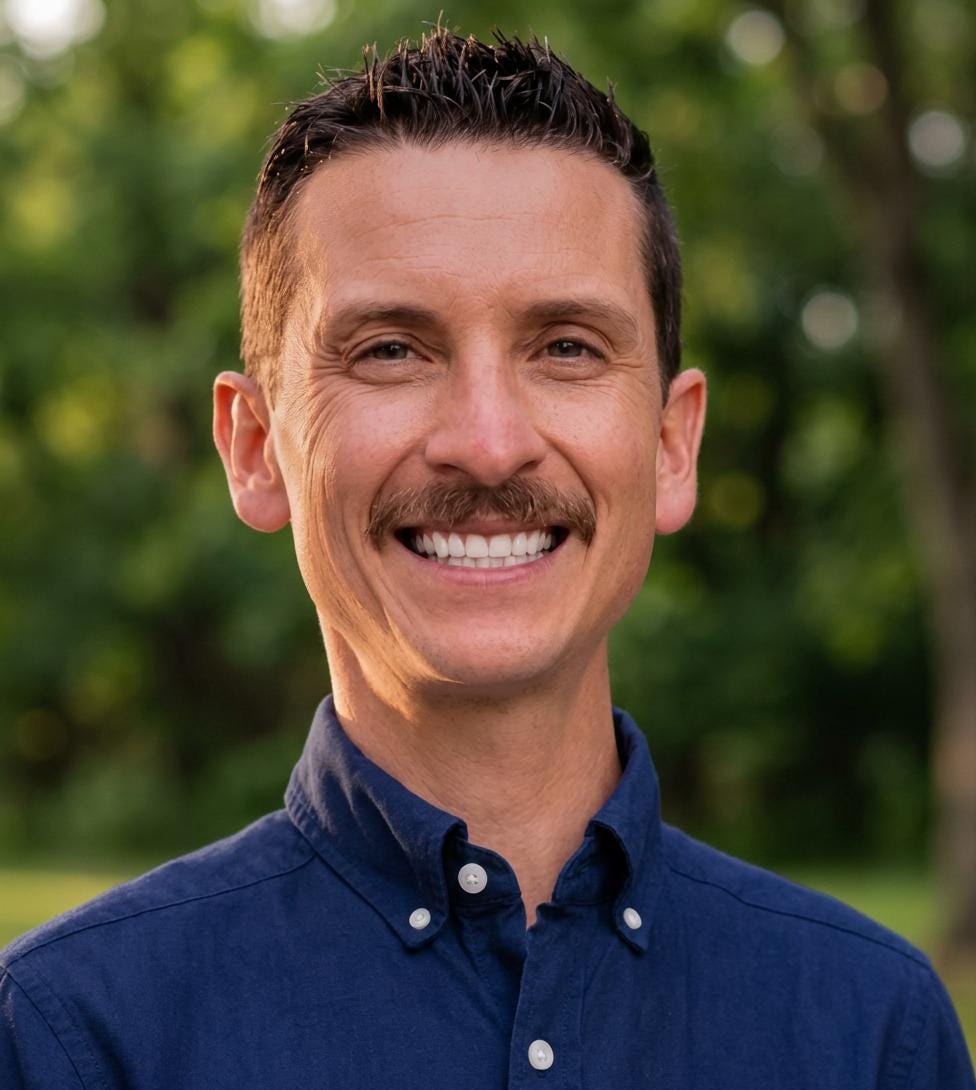
Mark Philibosian, CFA & MBA, is a father of two, married to an elementary teacher of 12 years, a Santa Barbara native, and a candidate for SBUSD Trustee Area 1. Learn more about Mark here or donate here.
Community Calendar


Got a Santa Barbara event for our community calendar? Fenkner@sbcurrent.com
When you have a district that intentionally bifurcates the education direction you have the problem. I speak passable the spanish. I was listening to a grandmother talking to her granddaughter objecting to the fact kids from Mexico were not learning the spanish in school.
Yet at the same time the political activist who demand the spanish be taught and the social structure of Mexico be taught in Calif. schools are back in control.
The SBUSD had close to a glass full teaching program. Decades ago the District stated kids would be taught in the english and within one year comprehension and test scores started climbing. You now have the old let's create division and failure by not demanding this proven education.
It is like renting your home as a vacation rental, and having to then rent a house to live in.
The vast majority of laws are based upon long held English law that came with the colonies and then the Constitution. It protects both real and intellectual rights. If you cannot, or better yet, refuse to acknowledge the culture/language that projects property rights and of course the language it is written in you have problems.
Interesting position statement.