

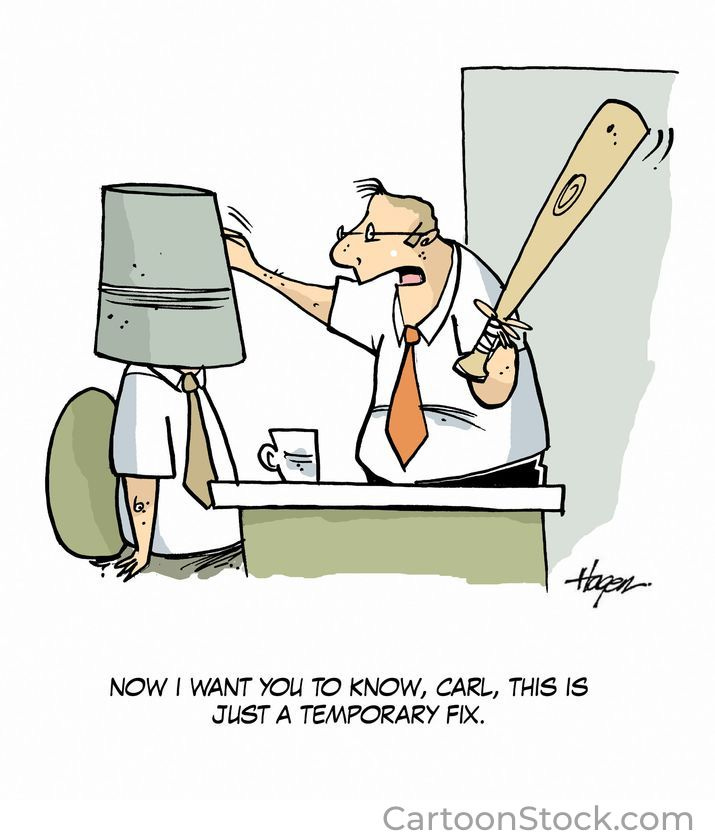
State Street, Title 31, parklets, BCycle and the rent freeze: when does temporary become permanent?
The dictionary defines “temporary” as lasting for a limited time, not intended to be permanent.
Unless, apparently, you are talking about Santa Barbara City Hall.
Here, temporary measures survive emergencies, gain new extensions, and sometimes lose their expiration dates altogether. A temporary policy should include a measurable goal, a public review and an end point—not an indefinite invitation to renew.
Supporters may have reasons for continuing them. But where are the deadlines, the accounting, and the public’s opportunity to say enough?
Who decides when temporary is over—residents or City Hall?
State Street: Six Years of Temporary
State Street closed to most vehicles during the 2020 Covid emergency. Six years later, it remains largely closed.
In 2023, the Council adopted Title 31, the rules governing the temporary State Street Promenade. Those rules were to expire upon adoption of a master plan or by December 31, 2026, whichever came first.
Instead, on September 15, 2026, the Council adopted the master plan and removed Title 31’s sunset provisions. Residents submitted a referendum petition challenging that ordinance, reportedly containing about 8,700 signatures, suspending its implementation while the petition is reviewed.
On November 10, the Council approved another urgency measure, 5–1–1, to keep the current street configuration in place. The City says it is maintaining the status quo while the referendum process unfolds.
But if a temporary policy has an expiration date, why is that date so easily moved?
The $700,000 Question
In June, the City estimated approximately $700,000 to reopen State Street. Mayor Randy Rowse reported a private donor willing to contribute that amount if the street reopened.
By November, reopening estimates topping $1 million were being discussed. What changed?
The figures actually describe different work: $670,280 for interim reopening, $868,000 for later pavement treatment and permanent restriping: 1,538,280 combined. Another scenario, reopening, and then closing again, was estimated at more than $1.13 million.
So this was not simply a $300,000 increase in the same job. But why weren’t those different scenarios spelled out clearly? And what became of the $700,000 private offer?
Meanwhile, the State Street Master Plan carries an estimated $96 million implementation cost. Where is the complete accounting of closure-related spending, maintenance, consultant costs, parking revenue changes, and fees collected?
Outdoor business facilities on State Street generally pay $2 per square foot monthly. Does that revenue cover the public costs?
Parklets: Temporary Forever?
Parklets occupy streets and parking spaces under rules describing them as temporary. Licenses may run from one to five years without a fixed limit on renewals.
That’s not temporary.
BCycle: the Pilot That Never Ends
BCycle began in January 2021 as a bike-share pilot. The Council extended it in 2023, and staff proposed another extension in 2024. By September 2026, the City was reporting more than one million trips and three million miles ridden… After almost six years, why is it still a pilot? When does the test end?
The Rent Freeze: Temporary Without an End Date
In January 2026, the Council approved a temporary rent-increase freeze affecting certain rental units built before 1995. Effective February 26, it was scheduled to expire December 31, or sooner if permanent stabilization took effect.
On October 6, the Council passed a permanent rent-stabilization ordinance, incorporating a rent registry and an administrative board. A property-owner referendum petition challenged it, suspending implementation while the process continues.
In response or retaliation, November 17, Meagan Harmon, Kristen Sneddon, Wendy Santamaria and Oscar Gutierrez voted to advance an extension of the temporary freeze. Mayor Rowse and Eric Friedman opposed it; Mike Jordan was absent. A final reading is scheduled for December 1.
According to the City’s published explanation, the proposal has “no fixed calendar end date,” with its termination tied to the referendum’s outcome.
A temporary rent freeze without a fixed calendar expiration date. How does that square with the ordinary meaning of temporary?
Landlords: Pay the Government to Ask for Relief
Consider the difference in how City Hall charges people. Is this a violation of the 14th amendment?
Businesses can pay published rates to use portions of public streets. BCycle pays fees intended to offset certain administrative expenses.
But under the proposed rent-freeze extension, a landlord facing rising insurance premiums, taxes, utility bills, or repair costs, must petition for a fair-return rent increase.
That means supplying financial records, notifying tenants, carrying the burden of proof and appearing before a hearing officer. The landlord must pay half the hearing officer’s and hearing-recording costs. The City has published no specific maximum. The application may be denied, basically a losing proposition for the landlord.
How much could an owner spend simply asking the government for relief? Hundreds? Thousands? Why isn’t there a published ceiling?
This is not a charge for permission to repair a roof or fix plumbing. Owners remain obligated to maintain their buildings. It is a potentially substantial cost to request permission to increase rent to obtain a legally sanctioned fair return.
Tenants deserve stability. Owners face real expenses. Both deserve a fair process.
“You Weren’t Doing It Already
In a federal complaint filed in April, property owners attributed this remark about landlord maintenance to Councilmember Santamaria: “Because you weren’t doing it (maintenance) already.”
The plaintiffs cite the January 13 Council recording. The allegation should not be mistaken for a finding that landlords generally neglect maintenance.
Still, the issue warrants a question: Are responsible small landlords who replace roofs, maintain buildings, and pay rising bills, being heard fairly, or lumped together with negligent owners?
Regulation and respectful treatment should not be mutually exclusive.
No Kings – and No Endless Extensions
These programs are different. Some have broad support; others are contested. But each raises the same accountability questions:
What was the original deadline? What has been accomplished? What has it cost? What revenue has been collected? Where is the balance sheet? And when do residents get heard?
An extension may be lawful and justified. The same standards should apply whether the beneficiary is a restaurant, a bicycle operator, a tenant, or a property owner.
We elect representatives, not appoint kings.
Public streets belong to the public. Private property rights matter. Referendums are lawful expressions of citizens protesting government overreach. The government should listen to all the citizens, not just special interest groups.
An emergency is not a blank check. A pilot is not a lifetime appointment. An expiration date is not a suggestion.
If City Hall believes these policies should become permanent, explain why, publish the numbers, and call them what they are.
A deadline that can always be moved is hardly a deadline at all.
Why are the big landlords of apartment buildings, you know guys like Towbes' group, not included in this "rent freeze." This is such an obvious question. As a longtime local, it is insane to see my small-fry friends' assets become frozen by rent regulations. Who wins? And again, why just the older properties? Why not the new big guys too? CRIMINAL.
145544