
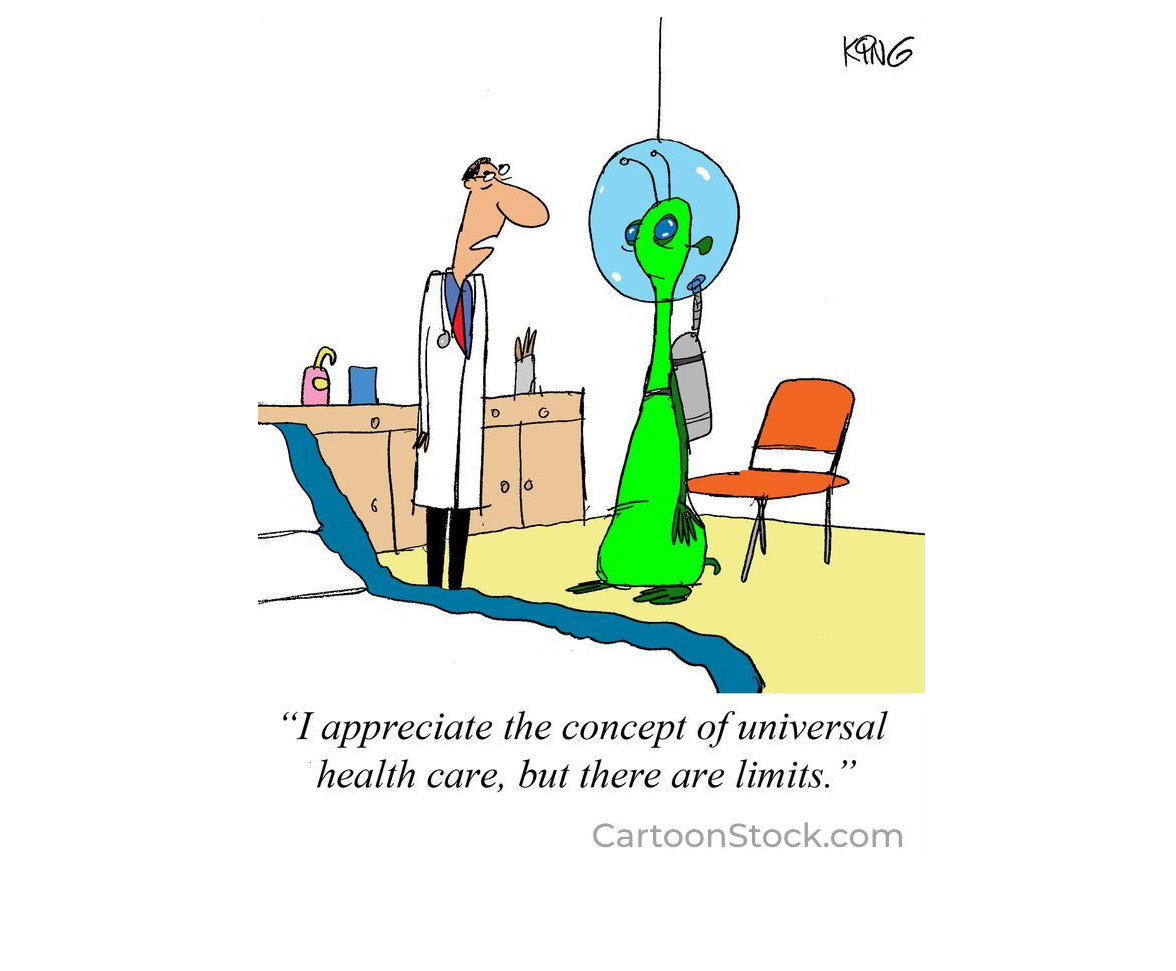
French and UK Health Care Lacking
It was Easter Sunday 1962. After a week of Paris's tourist sights, staying in a charming tiny hotel on the Seine, my husband and I decided to pack a picnic of baguettes, jambon, and fromage and rent a Vespa for a day's adventure to Chartres cathedral (about an hour outside of Paris – sans traffic). The cathedral is particularly known for its gorgeous stained glass windows. We were both keen on photography and catching the medieval allure.
We had a lovely day. Until we hit holiday traffic coming back to Paris. We were descending a slight incline before le Pont de Saint-Cloud, just the other side of Neuilly-sur-Seine, when the Vespa's brakes snapped. We hit the car ahead. Luckily, my husband was protected by the Vespa's front shield. I – even though holding tightly onto my husband's waist with one arm (the other arm was carrying the Nikon) – was thrown into oncoming traffic, breaking my left femur. The precious camera equipment survived intact.
Eventually, an ambulance arrived. It wanted to take me to the closest public hospital in Saint-Cloud. All my husband could utter in limited French was to call his godfather, John Philipsborn, at the American embassy, where he was First Secretary. John quickly got French authorities organized and had me transferred to the private American Hospital in Neuilly-sur-Seine, founded by Americans in 1909 and still considered one of the city's top hospitals.
It was my first experience with French medical care and, although I did receive "special" treatment because of John, a top fighter pilot (he had received La Croix de Guerre for training French pilots during WWII), somehow the x-ray was held upside down by the French radiologist.
Treatment resulted in a case of gangrene.
La Petite Americaine
A week later, a surgeon at the private London Clinic saved my leg. It's a long story. But as a result, I did get to meet Roald Dahl years later, who had a few things to say about British National Health Service – his daughter, Olivia, died from measles because the NHS was slow about vaccinating children against the deadly disease.
My second experience with French medicine occurred last October when I tripped over a pebble while walking in a French vineyard. I broke my fall by landing – intentionally – on my left wrist. This time, the local public hospital's radiologist knew what she was doing and informed me that I had a broken radius in three places and that it would require three pins.
What she didn't tell me was that the operating room was completely booked for the next two days. I had no John Philipsborn to pull his weight and get me fixed tout de suite. I was simply a French resident, with pricey, private coverage (most French have it as the state coverage is minimal) and would just have to wait, like all other French residents.
I was sent home in excruciating pain with enough opiates to obliterate the 48 hours spent on my sofa with my busy and highly qualified wine-maker daughter in charge of all the pills.
When I finally got to the operating room and met the surgeon, I was greeted with “Ah, la petite Américaine si sensible!" (the delicate little American woman). I wanted to come up with something brilliant about having to wait two days for a relative minor operation. The drugs in my system told me to keep quiet.
I also wanted to ask the Scottish anesthesiologist why she was working in France and not the UK, even though I probably knew the answer; I have heard all the horrific stories of UK medical care from friends and family in the UK, and of waiting for ambulances and doctors' appointments and botched care from untrained staff. The London Clinic still exists as a private hospital and gave King Charles and the Duchess of Cambridge the best care available last year.
French Pharmacists: Reliable and Knowledgeable
Four months on, my wrist is mending, thanks to a young physiotherapist my daughter found on-line (it was up to me to find one; not the hospital). He has been terrific, and my health insurance has covered my sessions with him.
I also have nothing but praise for my local pharmacy. French pharmacists are highly knowledgeable and are beloved by the French, who often must rely on them, when they can't get 15 minutes (the amount of time the national health system allows for an appointment with a G.P.).
I hear from friends back in California and elsewhere stateside that U.S. health care has been getting more and more like the French and U.K. systems that believe health care is an entitlement. Whatever happened to the American belief of being only entitled to "Life, Liberty, and the Pursuit of Happiness?" "Life" covers a lot and it should not rely on private vs public health care.
When my husband, Richard, became ill, he got excellent care from Cottage Hospital. But we were aware from his cardiologist that he was going to take early retirement due to the pressure on him and other medical personnel from the over-burdened health care bureaucracy.
Now that President Trump is doing his best to return to American values, I hope he and his cabinet can also restore common sense to the country's once enviable medical system.


Can one imagine how much better US healthcare would be minus 12 million illegal migrants? Like education, criminal justice and housing, the added burden to the system makes wait times, cost and outcomes less optimal. My Daughter, spent a couple years in Barcelona on a student visa. Before she was granted the visa, she had to have proof of medical clearance along with health insurance. Countries in the EU do not have the capacity or the will to provide care for millions of undocumented migrants. The simple fact remains, undocumented immigration has a negative impact on us all, especially on healthcare. Hospitals along the Mexico-US border are struggling to even keep their doors open due to the influx of migrants.
Lastly, tort reform is needed and expanded, whereby pain and suffering is limited in jury awards. In California we do have MICRA (Medical Injury Compensation Reform Act) which currently caps awards for medical malpractice to $390K for injury from medical errors and $550k for wrongful death. Not perfect by any measure, but needs to be further expanded to include loser pays court costs!
Calla, thank you for writing about your very entertaining experience you had with the French healthcare system. I believe around the country there is excellent healthcare available, no waiting lines for an operation, etc. My wife has experienced a few shoulder and foot operations, and what I have learned is to obtain the pain killing pills before the operation and not after <g>. An 82-year-old friend was told by a doctor he was too old to have a pancreatic cancer operation. But a discussion with the doctor led to the fact he had little prior history of surgeries and the doctor agreed to go ahead with the surgery. With additional biopsies', he learned the cancer was more serious than initially determined. He had the operation and has now been five years cancer-free as he approaches 90-years-old this April. Summation: Don't accept the Obama remedy of "Just take a pill for the pain."