

My Wife’s (and My) Personal War Against Ehlers-Danlos Syndrome
When I first met my wife’s grandparents, I was struck by their quiet resilience. They were retired Mennonite farmers, living simply in a mobile home park along the Kings River in California’s San Joaquin Valley. Her grandmother was a heavy woman, her face etched with wrinkles, but what stood out was her skin. Abundant, sagging under her chin and arms. At the time, I chalked it up to her weight. It wasn’t until years later that I realized she likely had Ehlers-Danlos Syndrome, a genetic condition that would come to define much of my wife’s life, and by extension, my own.
As my wife and I navigated our early years together, her medical challenges began to surface. She recalled childhood memories of unusual joint flexibility, bending her limbs in ways that seemed almost unnatural. Then came the migraines. Debilitating headaches triggered by specific foods. We pinpointed one culprit early on: Coffee-Mate, the powdered creamer often found at church gatherings. When half-and-half wasn’t available, she’d use it, and without fail, a migraine would follow. Over time, we identified other triggers. Chocolate. Red wine. A long list of others. She relied on Relpax, a medication that could stop a migraine if taken early enough, but it was a constant battle.
Finding a Support Organization
More alarming were her recurrent episodes of what seemed like small bowel obstructions. Emergency room visits piled up. CT scans failed to reveal the cause. Frustrated, I pushed for answers and took her to a specialist in gastrointestinal radiology. The findings were striking: multiple golf ball-sized diverticula in her upper small intestine. During her next episode, she landed in the ER again, and I convinced a general surgeon to remove ten inches of her small bowel.
I’ll never forget visiting the pathology department to see the specimen. The normally corrugated tubular intestine had three large pockets in the wall. They were the source of all her obstructions. Her case was so unusual it was presented at surgical grand rounds. Only later did we connect this to Ehlers-Danlos, a condition caused by defective collagen formation that explained the constellation of her symptoms.
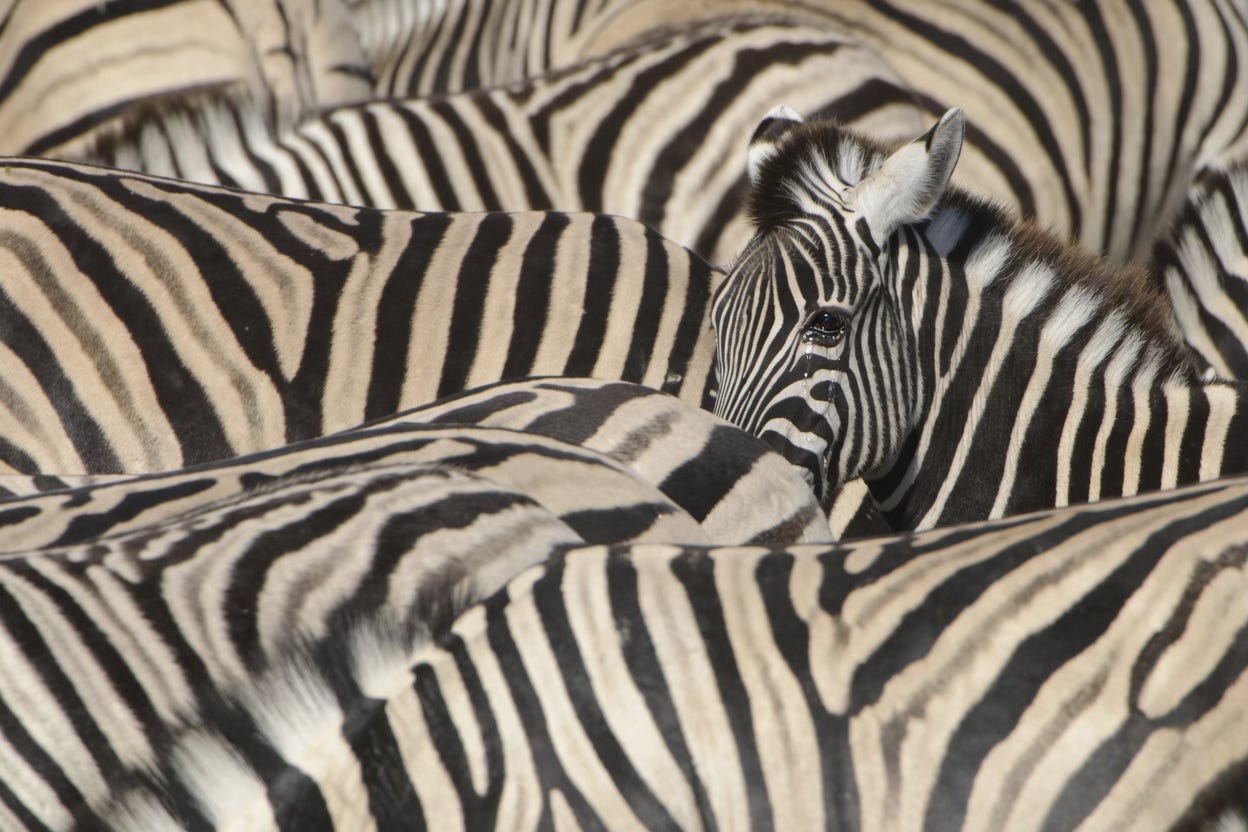
My wife dove into researching EDS, piecing together how it had shaped her life. A turning point came when we attended a convention in Las Vegas hosted by an EDS support organization. Their logo was a zebra, a nod to the medical adage that doctors should look for common “horses” rather than rare “zebras” when diagnosing.
There, we saw women take the stage, sharing stories of their struggles with EDS. Many wept, overwhelmed by the relief of finally having a name for their suffering after years of misdiagnosis. It was a moment I’ll never forget.
The End of Migraines and the Power of Persistence
At the convention, my wife connected with someone who discussed the gastrointestinal aspects of EDS. She had been trying a low-histamine diet but found it difficult to maintain. She began experimenting with histaminase, an enzyme that breaks down histamine in the gut.
The results were remarkable. After starting the supplement, her migraines vanished. She no longer needed Relpax refills. Her thirty-four-year journey with migraines came to an end, simply by adding an enzyme to break down histamine.
Through her journey, I became an unintentional expert on EDS. It’s far more common than I was taught in medical school, where it was barely mentioned. Now, in social settings, when EDS comes up, I’m no longer surprised when someone’s eyes widen in recognition; their own joint issues suddenly making sense. I can always tell when my wife is adding another person to her cohort. She’ll have them take their thumb and bend it down to touch their forearm. Most people can’t do this. People with the hyperelastic joints of EDS can.
We’ve traced the condition through her family. Her grandmother, her mother, and now several of our children, who face similar challenges. There’s no cure for this genetic disorder, but my wife has found ways to mitigate its effects. Aging joints combined with the laxity of EDS create unique problems. She struggles to grasp a teacup or open a jar of jam. Fortunately, I’m there with strong hands and an understanding of the disease.
EDS has taught us resilience and the power of persistence in seeking answers.
Sometimes the rarest zebras are hiding in plain sight, waiting for someone to listen when they cry.
*****
Dr. Paul Aijian is a primary care physician practicing in Santa Barbara. This column reflects his personal observations and is not medical advice. Always consult your own physician before starting or stopping any medication.
If you have enjoyed this article or Dr. Aijian’s prior contributions to SBCurrent, you will probably appreciate his upcoming book, “Laughter and Tears: A Doctor’s Stories”, which is coming out this June 2026.
Keep reading with a 7-day free trial
Subscribe to Santa Barbara Current to keep reading this post and get 7 days of free access to the full post archives.