

A Conservative Board Member’s Vision for California’s Tax Future
By J Brett Marymee
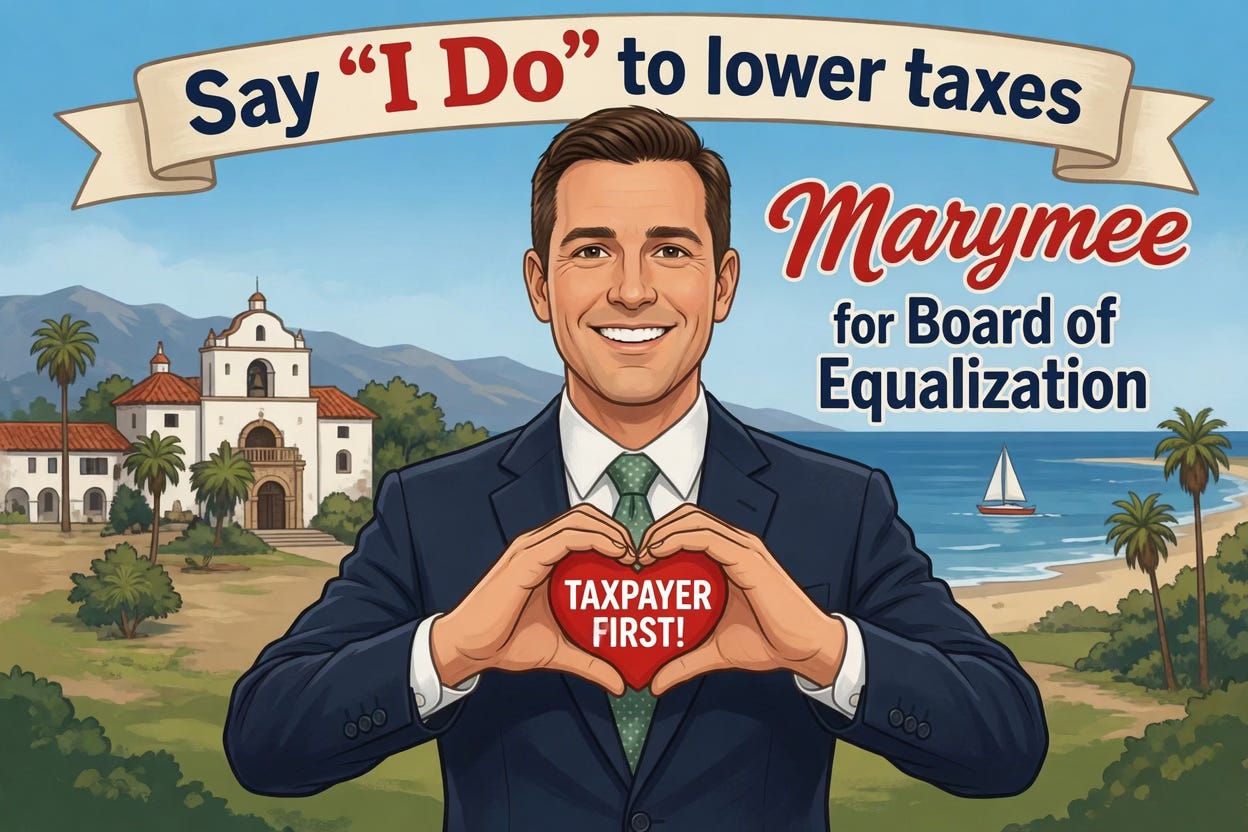
If you ask most voters what the California State Board of Equalization does, you get a blank stare. And that’s a problem—because while the Board may operate quietly, its impact on taxpayers, homeowners, and small businesses, is anything but small.
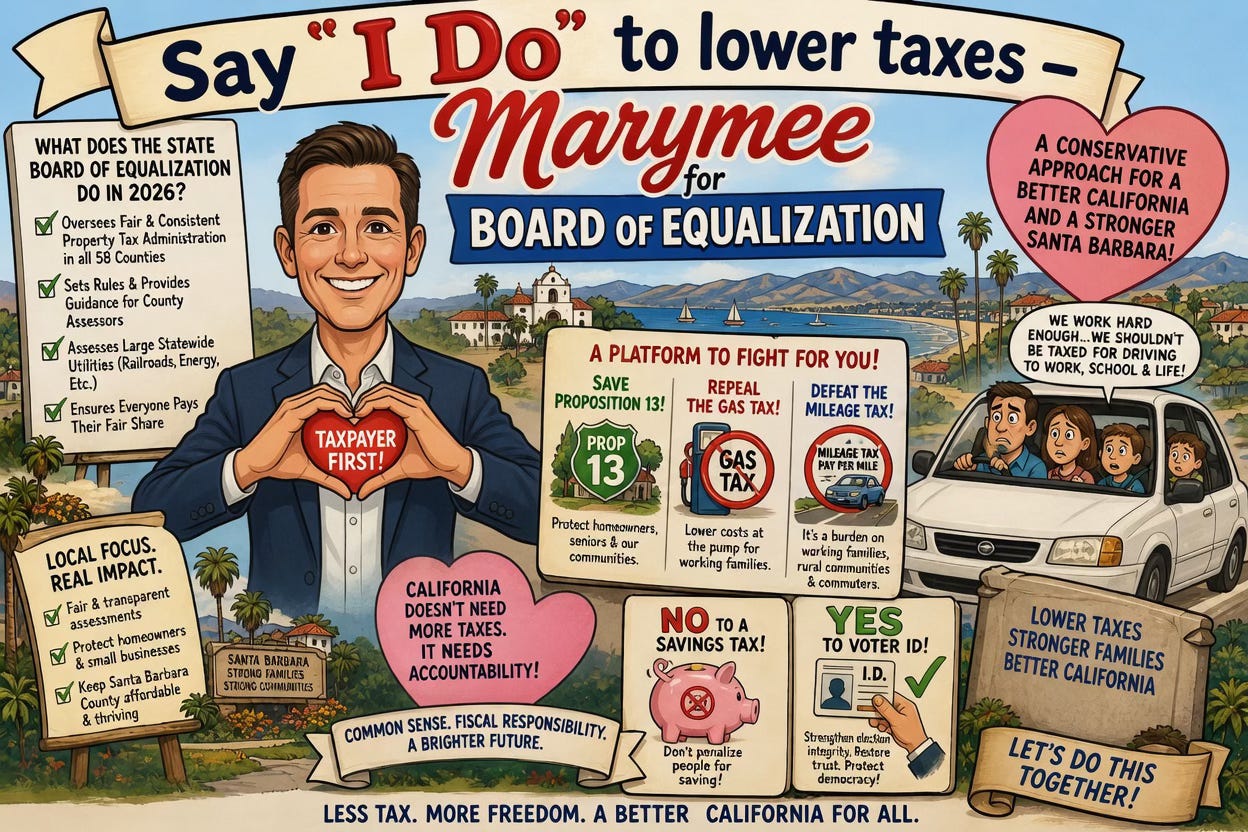
In 2026, the Board of Equalization (BOE) serves as California’s only elected tax board. Its core mission is to ensure fair and consistent property tax administration across all 58 counties, oversee the assessment of large statewide utilities such as railroads and energy companies, and set the rules that guide county assessors.
In simple terms, the BOE is the referee making sure government plays fair when it comes to your property taxes.
That matters—especially in a state where affordability is spiraling out of control.
Why the BOE Still Matters
Even after reforms in 2017 reduced some of its powers, the BOE still plays a critical role in setting property tax rules, advising assessors, and equalizing values across counties. It also directly assesses massive infrastructure assets like utilities and railroads, ensuring those entities pay their fair share.
But here’s the key point: the BOE is one of the last taxpayer-facing institutions in Sacramento that is directly elected and accountable. That makes it a powerful platform—not just for administration, but for advocacy.
And that’s exactly how to focus efforts to make California affordable again.
A Conservative Approach: Protect the Taxpayer First
California doesn’t have a revenue problem—it has a spending and accountability problem. Families in Santa Barbara, San Luis Obispo, and across District 2 are feeling squeezed from every direction: housing costs, gas prices, insurance, and a constant drumbeat of new taxes and fees.
A conservative approach at the BOE starts with a simple principle: protect taxpayers, not bureaucracy.
That begins with defending one of the most important taxpayer protections in California history—Proposition 13.
Passed in 1978, Proposition 13 caps property tax rates at 1% of assessed value and limits annual increases to just 2% unless a property is sold. For millions of Californians, especially seniors and long-time homeowners, Prop 13 is the difference between stability and being taxed out of their homes.
In communities like Santa Barbara—where property values have skyrocketed—Prop 13 is not just helpful, it’s essential. Without it, many long-time residents would be forced to sell simply to pay their tax bill.
That’s why using the BOE as a platform to Save Proposition 13 is critical. Efforts are already underway to put protections on the 2026 ballot, reinforcing the original intent of limiting tax hikes and requiring voter approval for new taxes.
Push Back on Cost-of-Living Taxes
The BOE may not directly set gas taxes or mileage taxes—but it gives elected members a statewide voice. That voice should be used clearly and consistently.
California’s gas tax is already among the highest in the nation, hitting working families and commuters the hardest. Repealing or rolling it back isn’t just good policy—it’s basic fairness.
Then there’s the proposed mileage tax, a Democrat Party concept that would charge drivers per mile driven. While pitched as environmentally friendly, in reality it acts as a regressive tax—penalizing rural residents, working families, and anyone who can’t afford to live near their job.
A BOE member should be a loud and effective advocate to defeat the mileage tax before it becomes another permanent burden.
And let’s be clear: Californians don’t need a “savings tax” either. Taxing people for saving money—whether through investments or financial accounts—would send exactly the wrong message in a state already struggling to retain residents and businesses.
Local Impact: Santa Barbara and Beyond
This isn’t abstract policy—it’s real life.
In Santa Barbara County, property values continue to climb, while insurance costs and energy prices rise alongside them. Families who bought homes decades ago rely on Prop 13 to stay rooted in their communities. Small business owners depend on predictable tax structures to survive.
The BOE can ensure county assessments remain fair, transparent, and consistent—so taxpayers aren’t overcharged due to aggressive or uneven valuation practices.
The BOE is not flashy work—but it’s essential.
Election Integrity and Accountability
Finally, any serious reform agenda must include restoring trust in the system itself.
That’s why supporting a Voter ID referendum on the November ballot makes sense. Confidence in elections is foundational to democracy. Requiring identification—something needed for everyday activities such as boarding a plane or opening a bank account—is a reasonable step to ensure integrity and public trust.
A Platform for Change
At first glance, the Board of Equalization may seem like a technical, behind-the-scenes body. But it offers something rare in California politics: a direct line to taxpayers and a platform to advocate real reform to improve California’s plight.
A conservative voice on the BOE can do more than oversee tax rules—it can shine a light on waste, push back against harmful policies, and fight for the families being priced out of this state.
California doesn’t need more taxes. It needs balance, accountability, and leadership willing to stand up for the people who pay the bills.
That’s the opportunity—and the responsibility—of serving on the Board of Equalization in 2026. Join me and say “I Do” to lower taxes – “Marymee” for CA Board of Equalization District 2.
•••
J Brett Marymee is a candidate for the CA Board of Equalization District 2 on your June 2 Primary Ballot. Learn more about Brett at his campaign website, Facebook page or LindenIn profile,
Community Calendar:

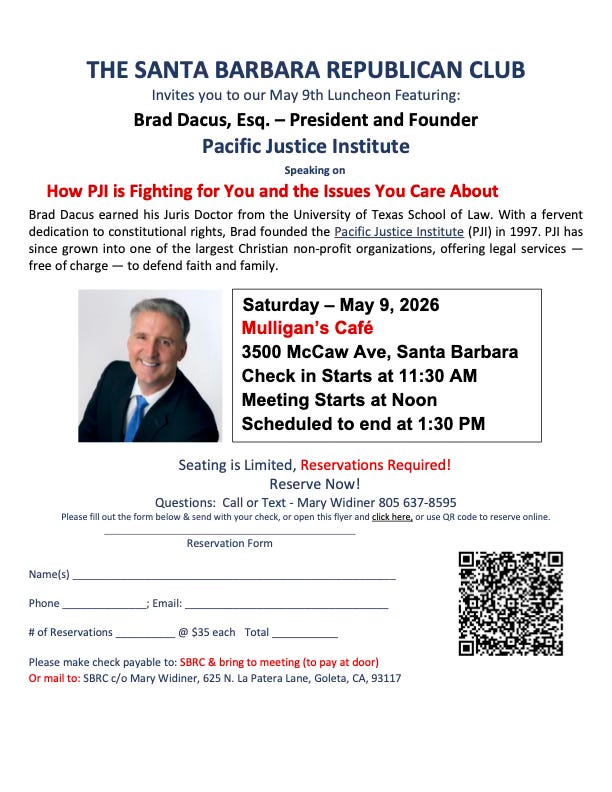

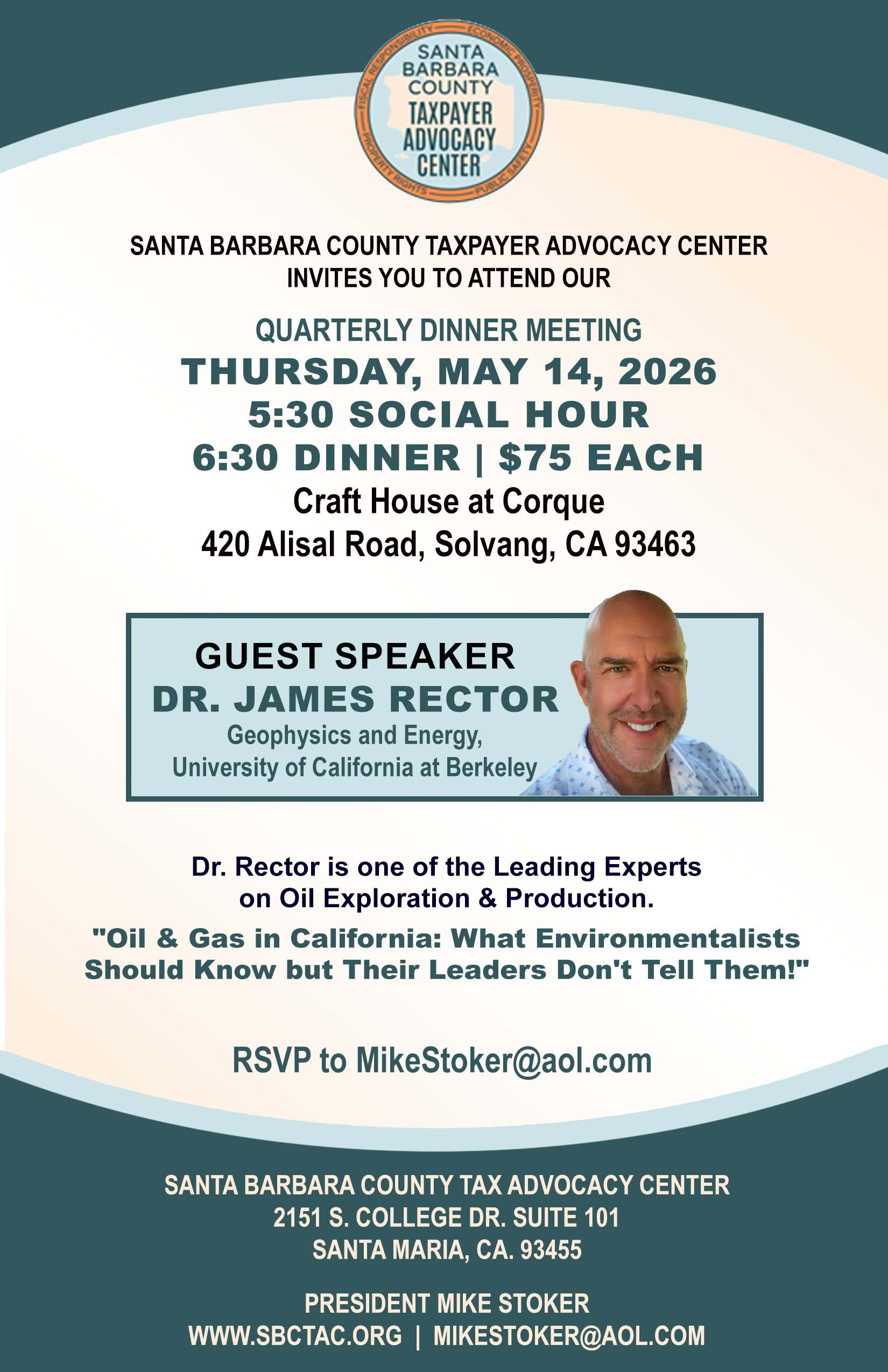
Got a Santa Barbara event for our community calendar? Fenkner@sbcurrent.com