
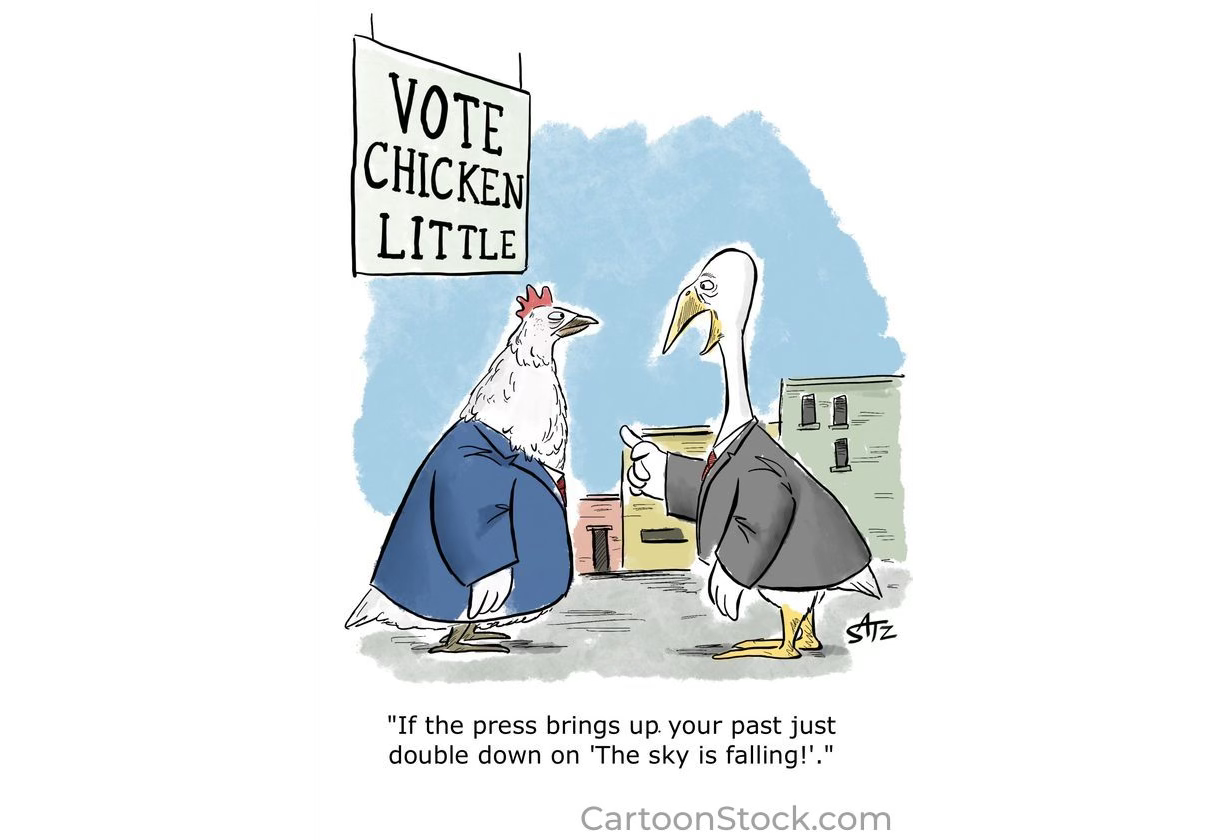
One year later, the sky has yet to fall, but you’ve got to hand it to Rep. Salud Carbajal. In his recent letter to folks in the 24th District, he managed to pack more apocalyptic warnings into a few paragraphs than most people do in an entire election cycle. The One Big Beautiful Bill, signed last July 4 with fireworks and all, isn’t just bad policy in his view — it’s apparently a full-scale assault on the middle class, kids, seniors, veterans, apple pie, and pretty much anyone who isn’t a billionaire.
If you believed our current congressman, we’d be looking at bread lines, empty medicine cabinets, and a debt bomb that makes our current fiscal mess look quaint. As someone who’s watched Santa Barbara politics long enough to know the difference between a press release and reality, I figured it was worth taking a closer look. The bill’s first anniversary seemed like the perfect time. Turns out, the evidence is a lot less hysterical than Salud’s unhinged rhetoric.
Let’s start with the tax breaks Carbajal says were reserved for the “ultra wealthy.” Nice try. By making the core 2017 individual cuts permanent, bumping up the standard deduction, and keeping those lower rates in place, the law actually delivers its biggest percentage bang to middle-income households — the very people who rely on the standard deduction instead of hiring accountants to itemize. Typical filers saw their taxable income drop by thousands of dollars a year. That’s real money.
On the Corporate Side
Competitive rates and expensing rules encourage companies to invest here rather than ship jobs overseas. Remember what happened after the original 2017 cuts? Business fixed investment went up, and corporate tax revenue hit record levels by 2019. The 2025 version removed the annual tax-cliff drama that had everyone holding their breath. Early numbers show the same positive vibes continuing: capital investment holding steady and wages ticking up for working folks.
Not exactly Robin Hood in reverse.
Then there’s Salud’s healthcare horror story. Carbajal claims the bill strips coverage from children, seniors, and veterans, while kicking 10 million people off insurance. The actual reforms were more surgical: work requirements and regular eligibility checks aimed at able-bodied adults without dependents. States that tried this — Arkansas and Georgia — saw employment jump 5 to 12 percentage points in those groups, with barely a ripple for kids, the disabled, or the elderly.
Veterans’ Programs and Food Assistance
Untouched. Uninsured rates didn’t explode as predicted, and prime-age workers kept jumping back into the labor market. In other words, the bill encouraged people who can work to do so, without pulling the rug out from under those who truly can’t. Who knew that people would respond to incentives?
Same deal with food assistance. The claim that four million would lose SNAP benefits sounds alarming until you check the fine print and the history books. The 1996 welfare reforms cut caseloads by more than 60 percent, boosted employment among single mothers, and helped bring child poverty down. SNAP has had improper payment rates north of ten percent in multiple years — that’s real money not reaching the people who need it. The 2025 bill applied modest work or training rules only to non-disabled adults without young kids, keeping full protections for children and seniors. Not a gutting, just a bit of adult supervision for a program that had gotten far too loosey goosey with taxpayer funds.
Medicaid and SNAP
Carbajal’s biggest swing is the trillion-dollar gutting of Medicaid and SNAP, plus that scary $4 trillion debt figure. Again, context matters. The bill added guardrails against fraud and runaway expansion rather than slashing benefits for the vulnerable. That $4 trillion number comes from the same static scoring models that assume nobody ever changes behavior when the rules do — a track record that’s about as reliable as a coastal commission prediction on oil projects.
Revenue often beats those gloomy forecasts when growth kicks in, just like it did post 2017. The legislation also raised the debt ceiling to avoid the usual Washington game of chicken, while boosting border security, domestic energy production (good for prices at the pump), and defense priorities.
Funny how those parts didn’t make the congressman’s letter.
Big Bill More Beautiful Than Ever
One year in, the sky has stubbornly refused to fall. Employment and investment trends look solid. Safety nets for the truly needy are still there, just with a little more emphasis on work and efficiency. Families and businesses finally have some tax predictability instead of the usual short-term patch jobs.
Nobody serious thinks we shouldn’t protect the vulnerable or worry about the national debt. Those are real challenges. But pretending the only solution is writing bigger checks funded by tomorrow’s taxpayers — while ignoring what actually works on the ground — isn’t compassion; it’s just kicking the can down the road, leaving our children to deal with the mess.
Santa Barbara’s 24th District voters have heard enough of the same old script. They deserve straight talk and practical results. That’s one reason why pragmatist Bob Smith is running for Congress to replace Carbajal. Smith gets that representatives should work for all constituents, not just the ones who nod along to the party line. After 12 months, the One Big Beautiful Bill isn’t the monster Carbajal warned us about. It’s a pragmatic mix of growth, accountability, and targeted reform.
In politics, that’s about as beautiful as it gets.
Paid Advertisement:
Community Calendar:
Got a Santa Barbara event for our community calendar? Fenkner@sbcurrent.com


Thanks for the reality check! It is strange that our congressman had no such warnings on the inflation reduction act and longs for more of the affordable care act. As a congressman he could keep his plan, it is time for our district to take our congressman off his healthcare plan and other perks of the drooling class.